
Kroger Instinct
Validating a 0→1 automated grocery experience
A Different Kind of Team

The eCommerce Accelerator operated as a test-and-learn innovation lab, focused on rapidly validating new business opportunities.
Built fully functional MVPs (not prototypes)
Launched quickly to real users
Measured success through learning, not just metrics
Delivered clear outcomes: scale, iterate, or sunset
Idea → MVP → Live Pilot → Learn → Decision
The Problem
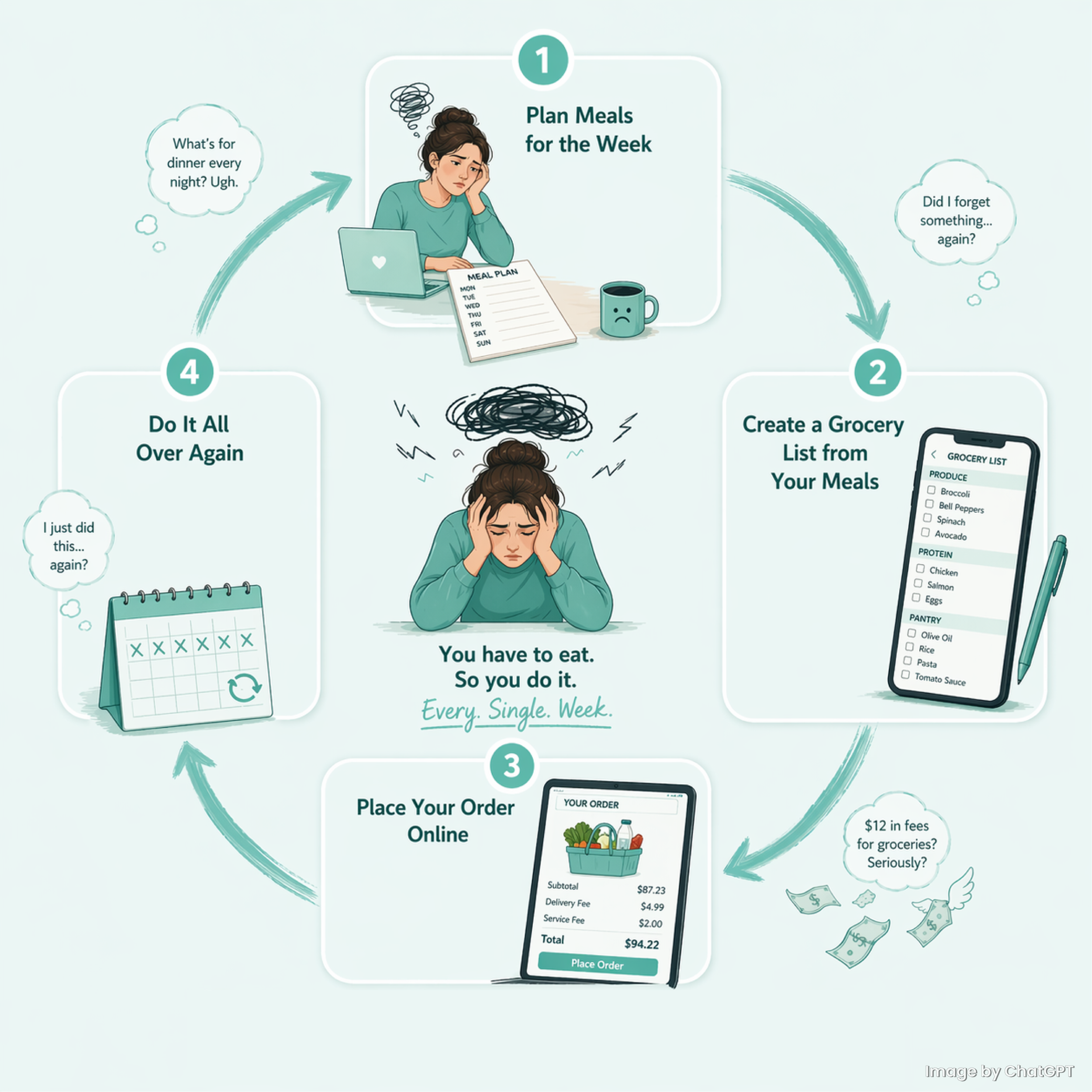
Customers found grocery shopping time consuming and mentally taxing:
-
What do I want to eat this week for breakfast, lunch, dinner and snacks?
-
What do I need to have to execute those meals? How much do I need? What do I already have in my fridge and pantry?goes here
-
What brand do I buy? Is this item in stock? Does it come in the size I need?
“Couldn’t this just be done for me?”
Opportunity
~70% of grocery purchases repeat weekly
💡 Opportunity to automate routine decisions
🧠 Reduce cognitive load and increase convenience
What We Needed to Learn

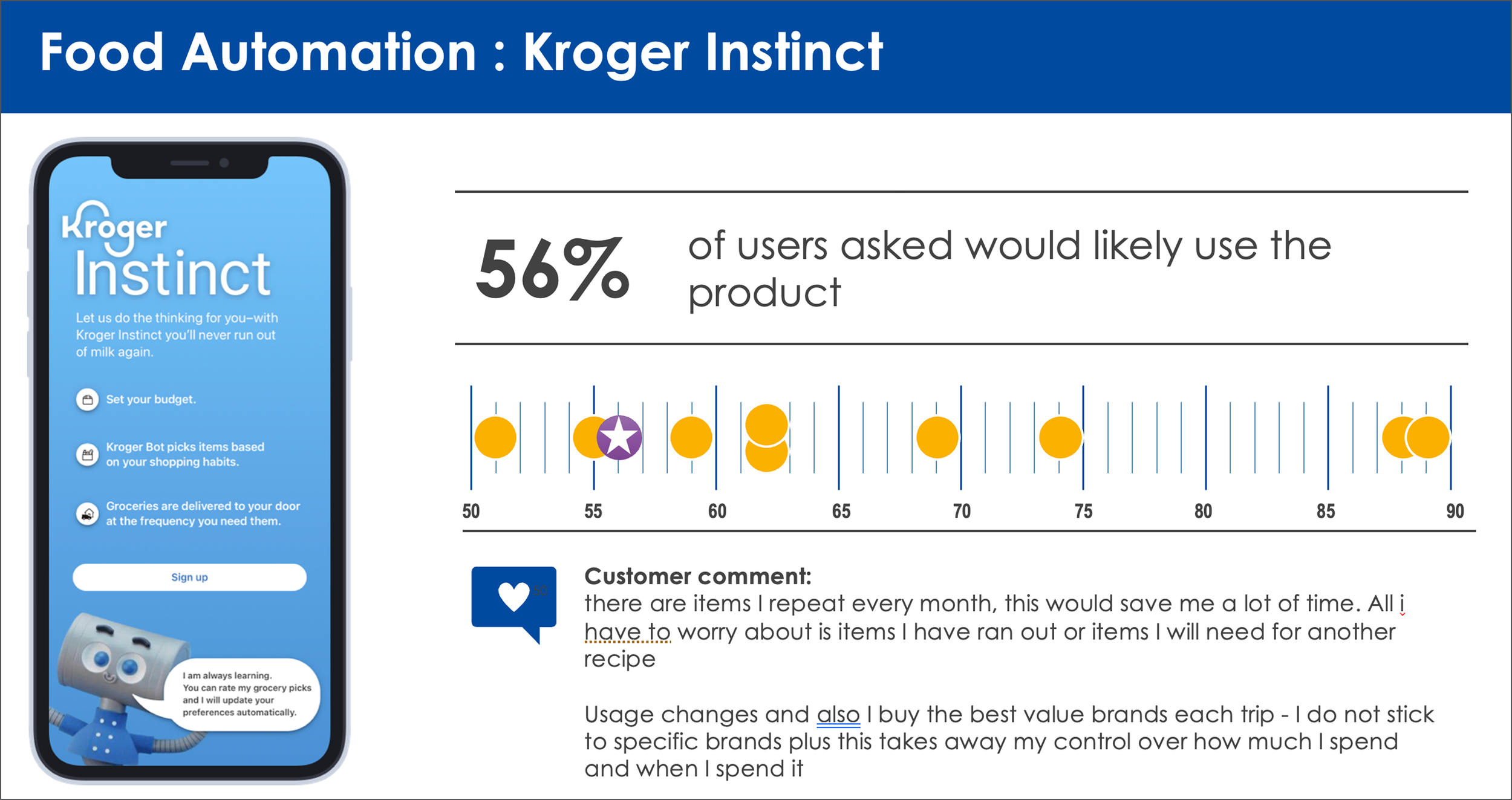
Are users willing to give up control?
Does to experience build trust?
Can we accurately predict orders?
Is there enough desirability to invest?
My Role
Co-defined product concept and strategy
Led end-to-end UX/UI design
Translated ambiguity into a testable product
Balanced speed vs. quality for rapid learning
Partnered cross-functionally across Product, Engineering, Data, Research
From Idea → Live Pilot
May ‘21
Ran discovery sprint
Generated and tested 10 concepts
Selected automated grocery as the strongest opportunity
Aug ‘21 – Feb ‘22
Designed MVP experience
Focused on core behaviors over polish
Rapid iteration cycles
Mar – Apr ‘22
Launched to real users
Observed behavior in real-world context
Gathered continuous feedback
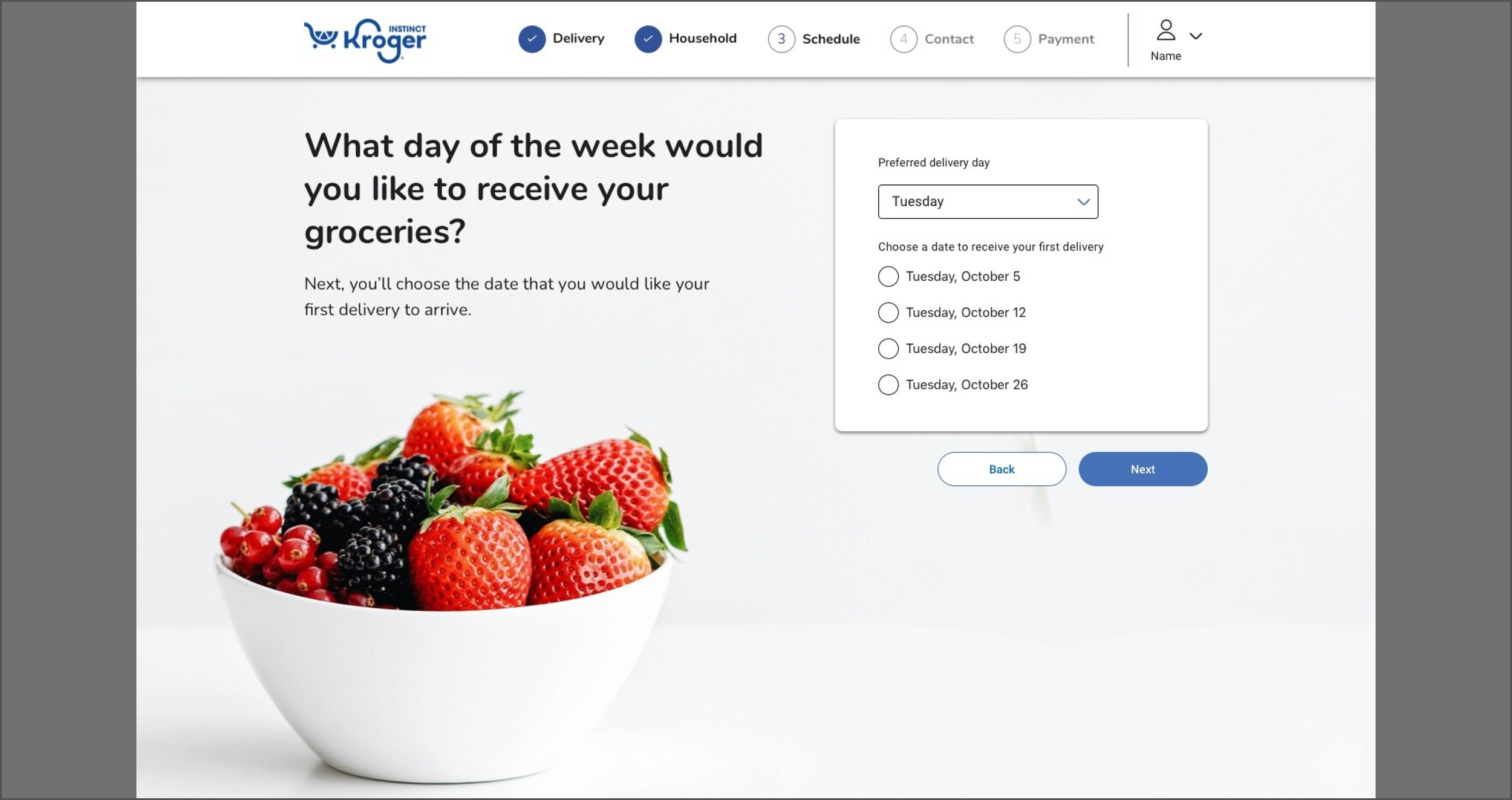
May ‘22
Delivered learnings to business
Informed future strategy
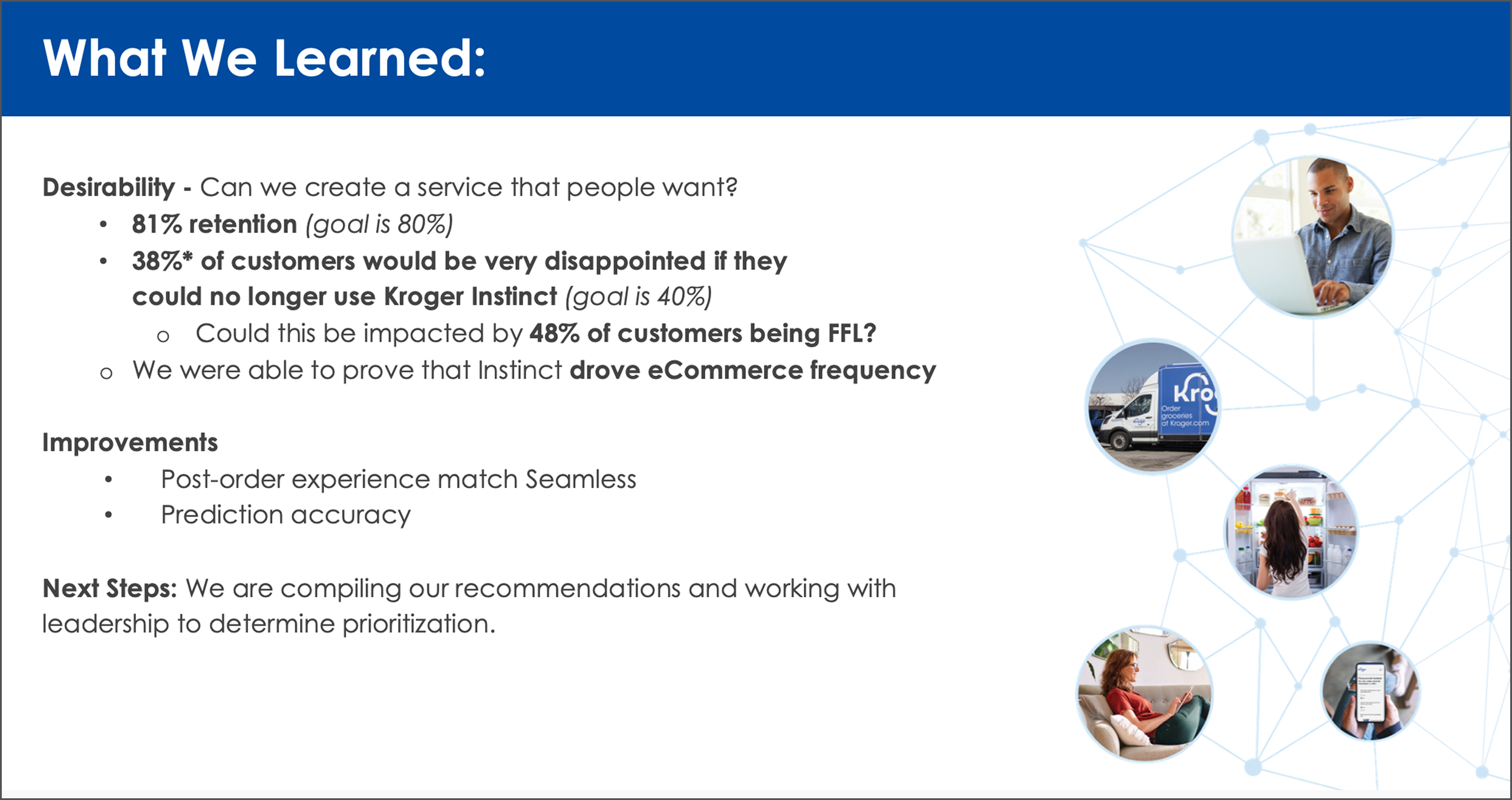
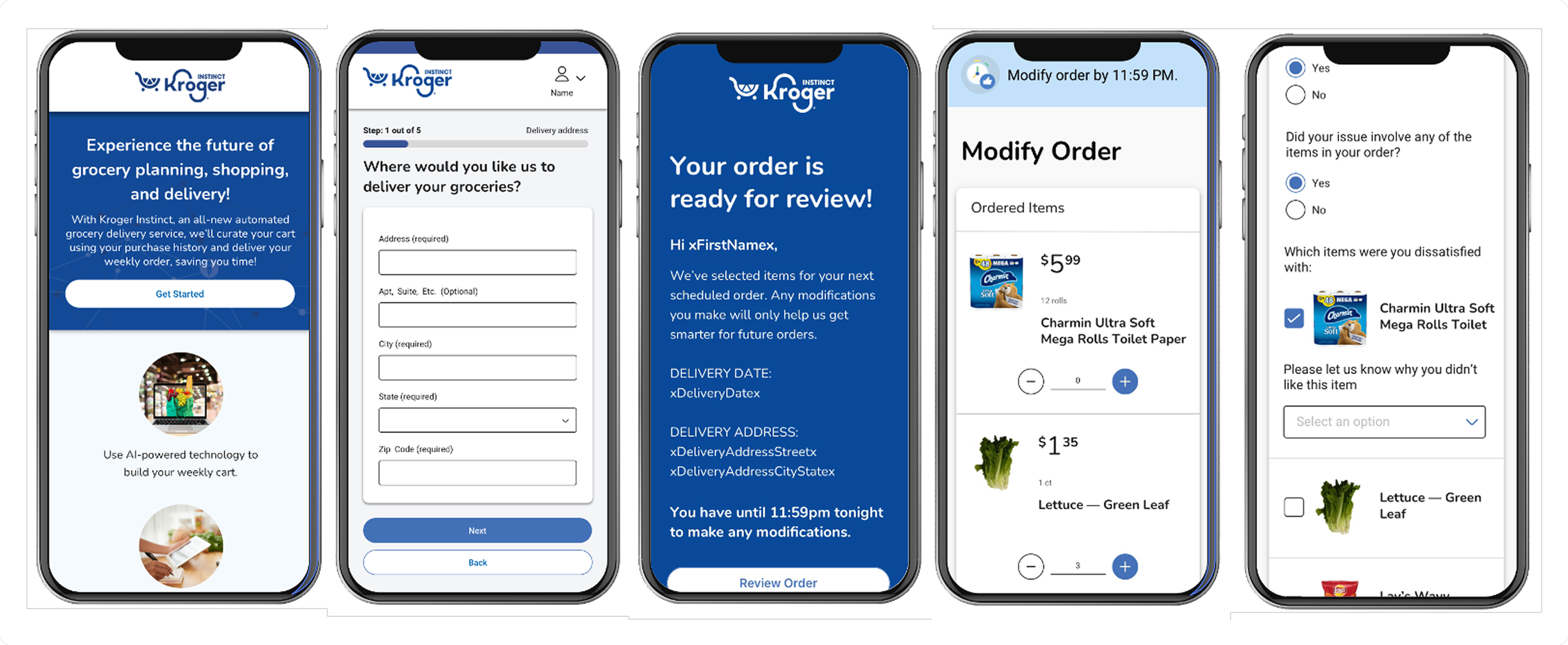
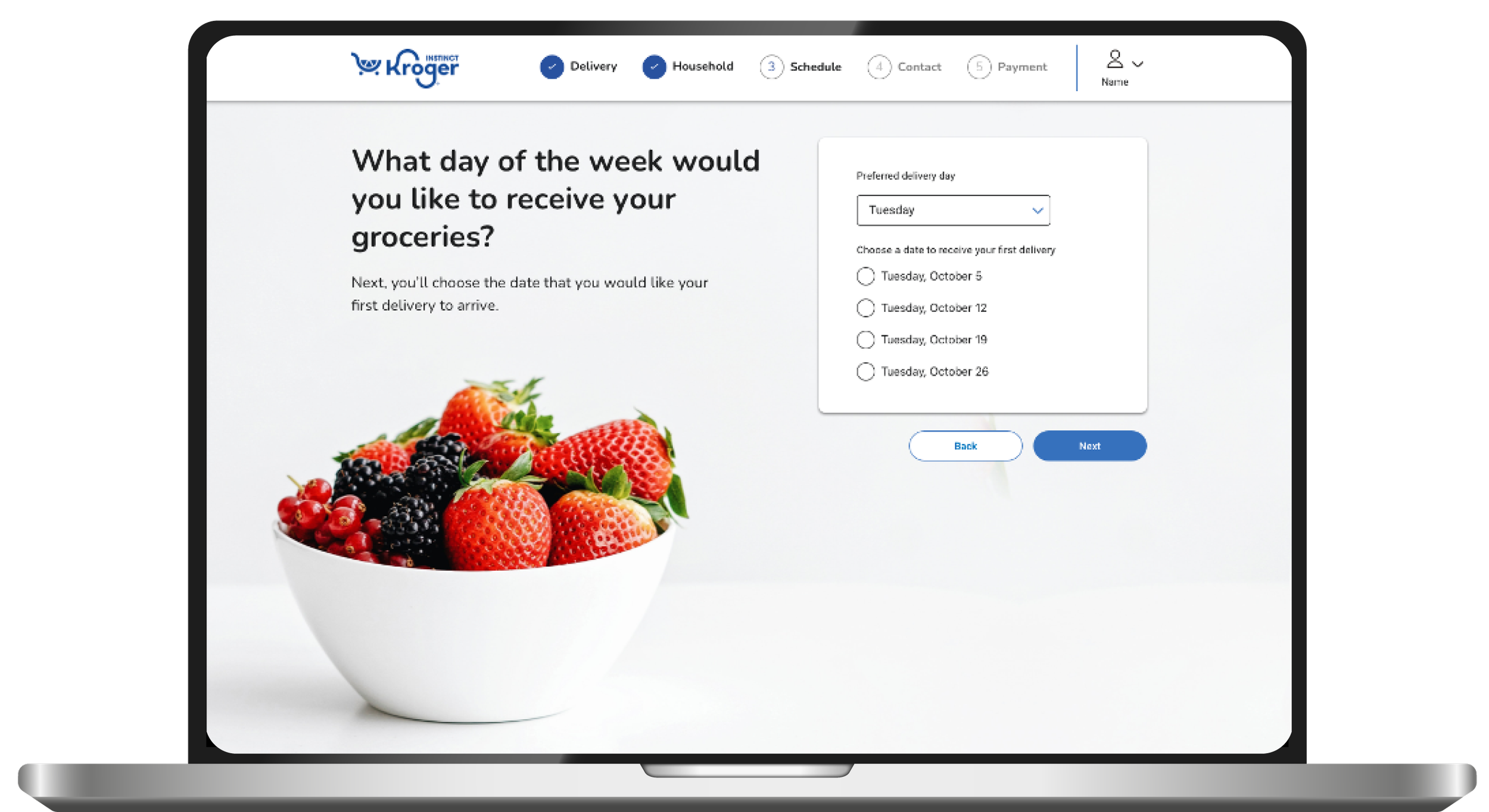
Designing the Automated Grocery Flow
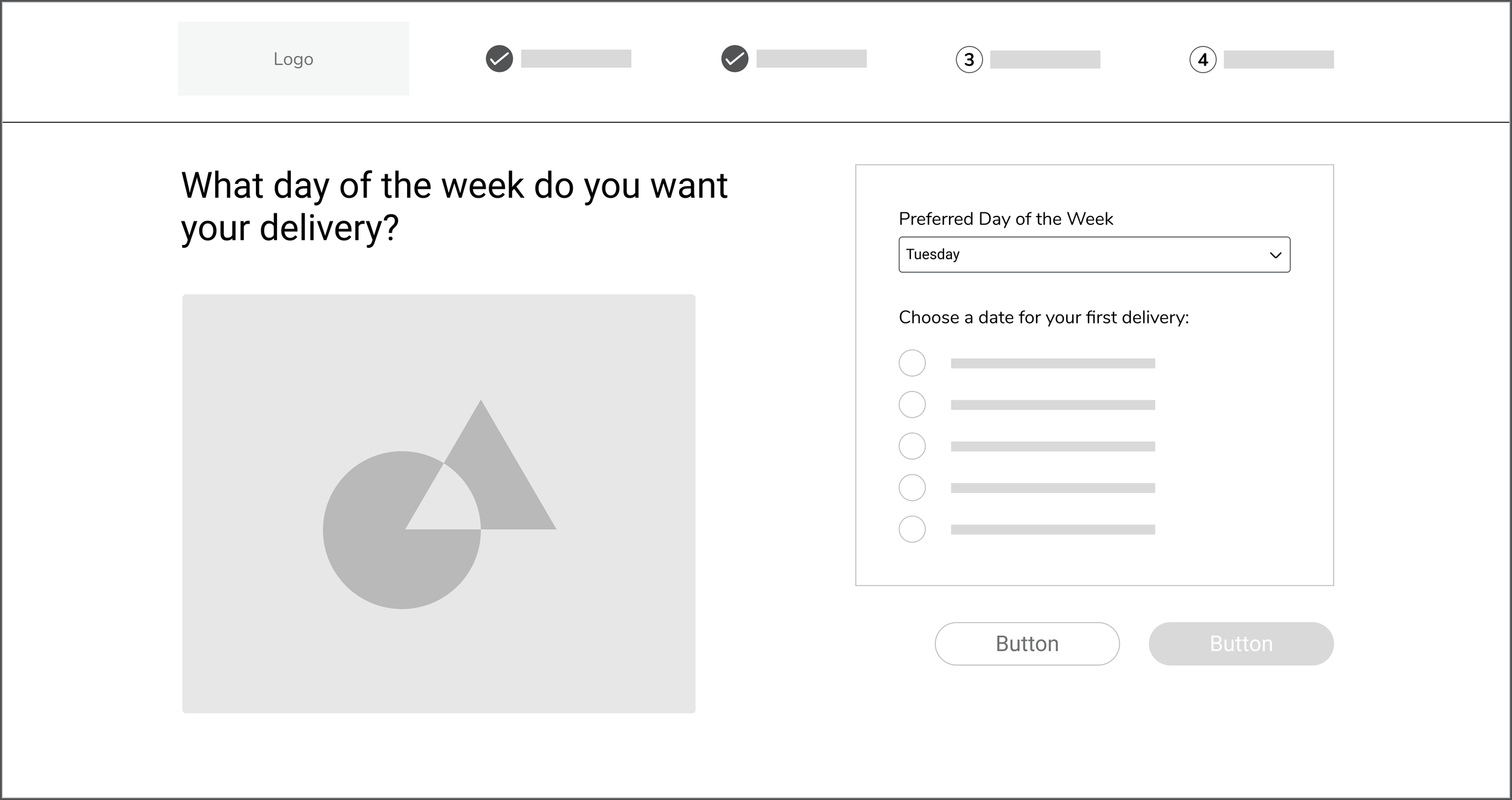
Onboarding
Captured essential inputs only
Balanced effort vs. personalization
Predictive Order
Generated weekly order using data
Reduced planning effort
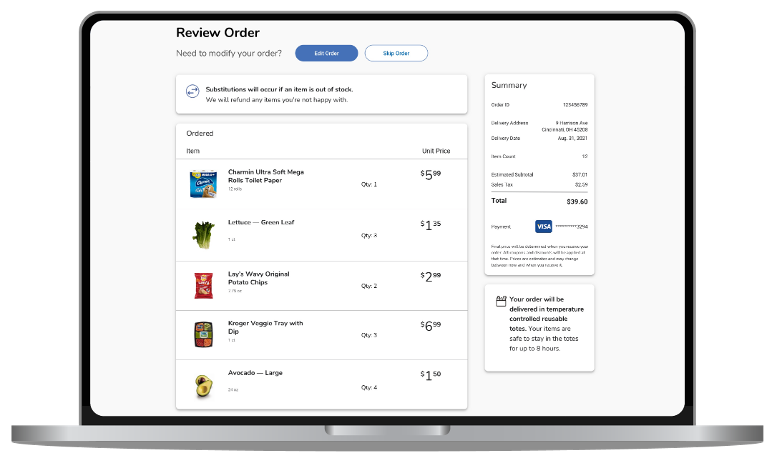
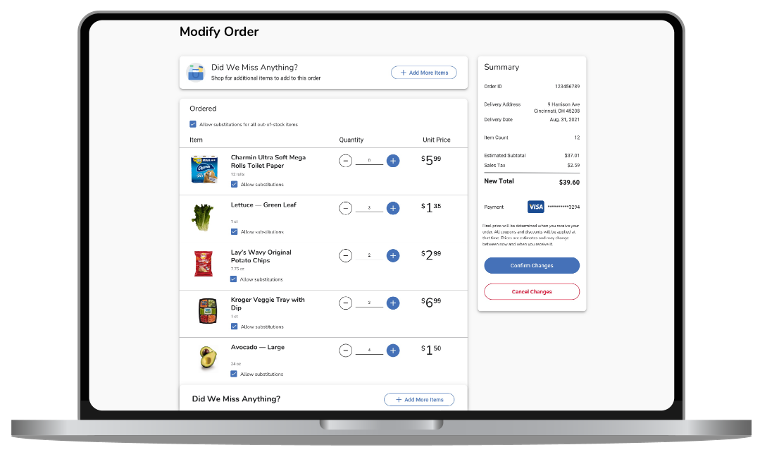
Modify Order
Limited edits (quantity only)
Tested need for control
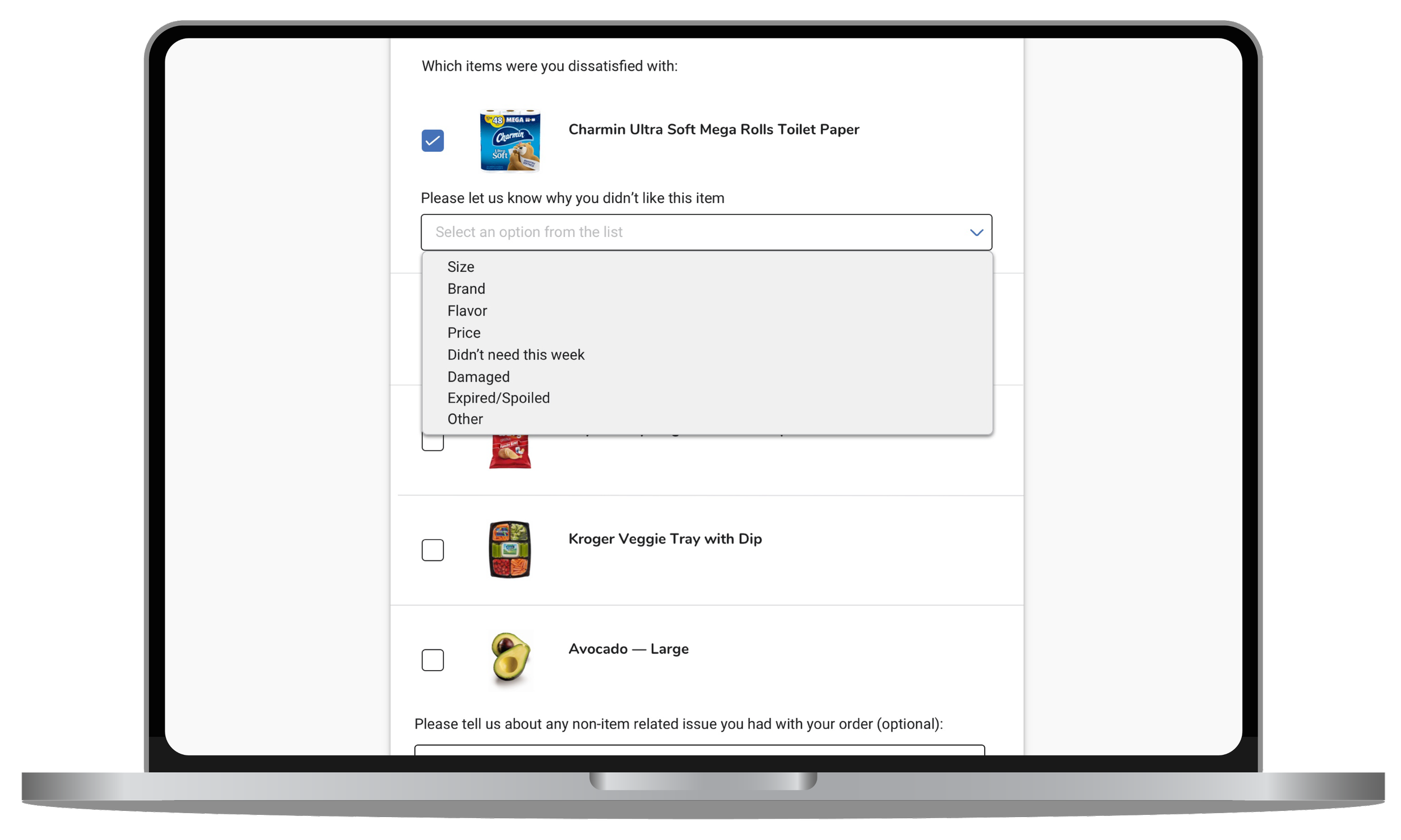
Feedback Loop
Enabled real-time feedback
Supported ML + trust building
Included unenroll + refunds
What We Had to Balance
⚖️ Control vs. Convenience
How much autonomy is acceptable?
🔍 Transparency
Do users understand what’s happening?
🔄 Flexibility
Can users adjust when needed?
How We Tested
Qualitative
Live moderated sessions
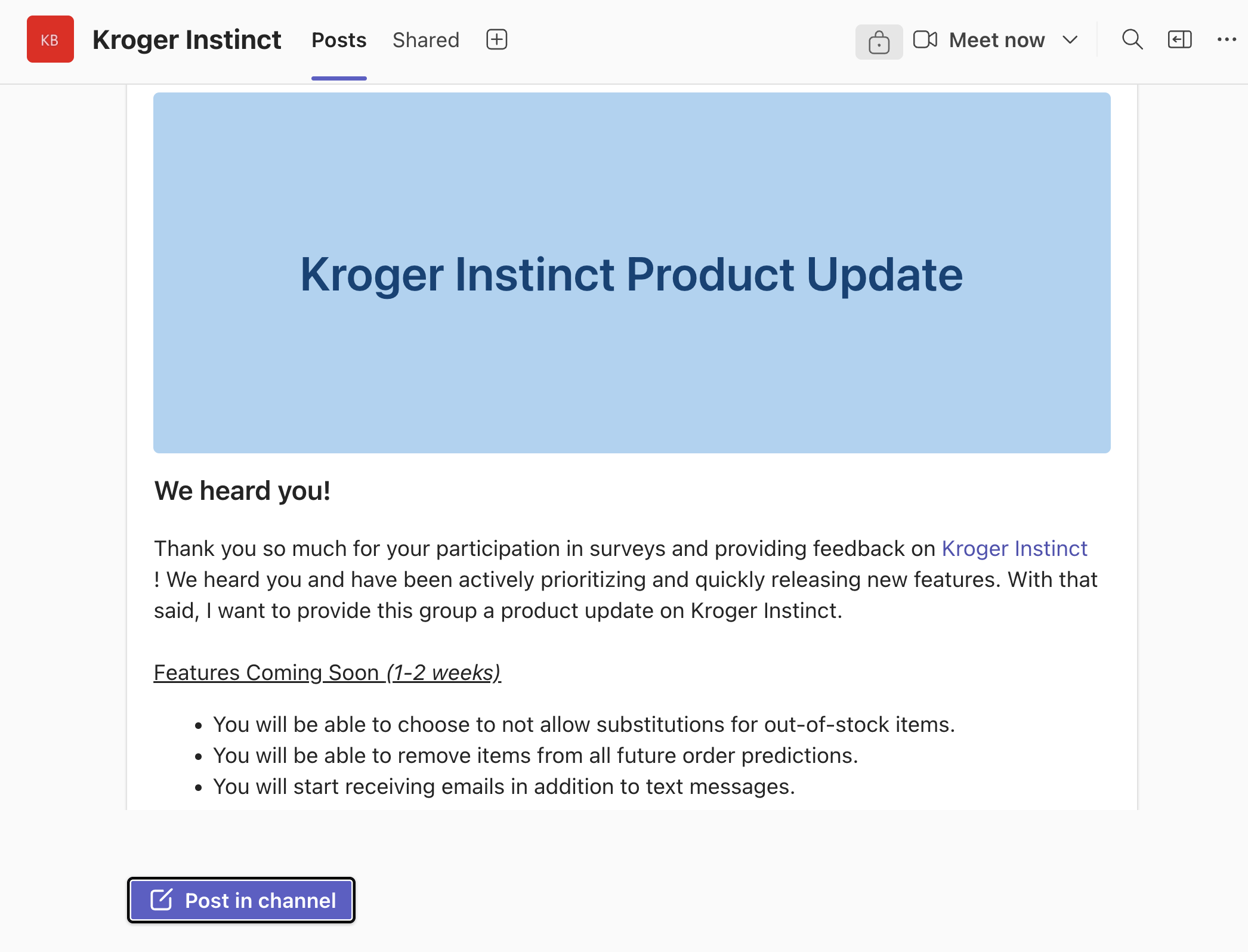
Real-time user feedback channel
Post-order interviews
Quantitative
Retention Rates
Unenrollment
Refund behavior
What We Learned
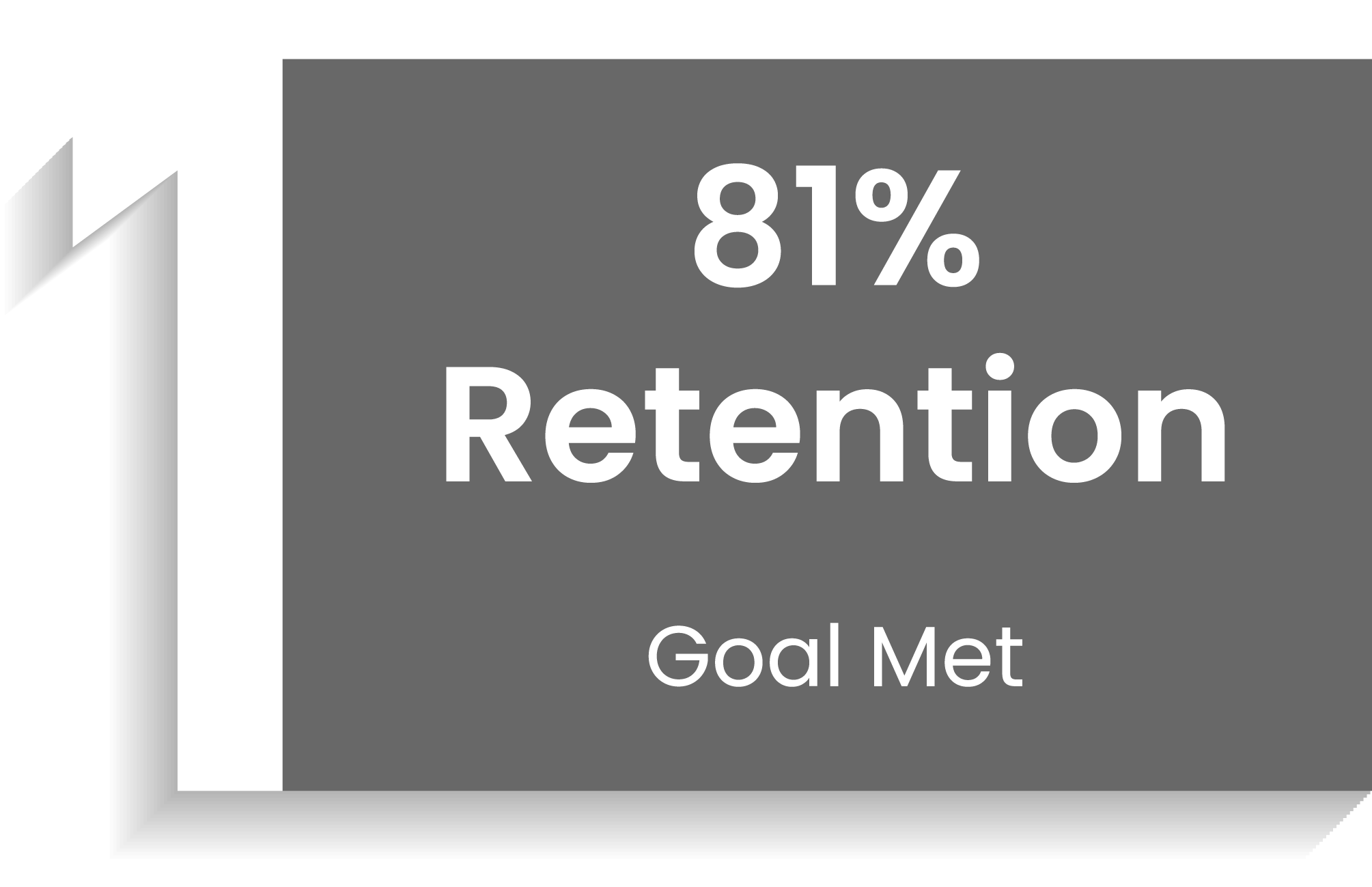
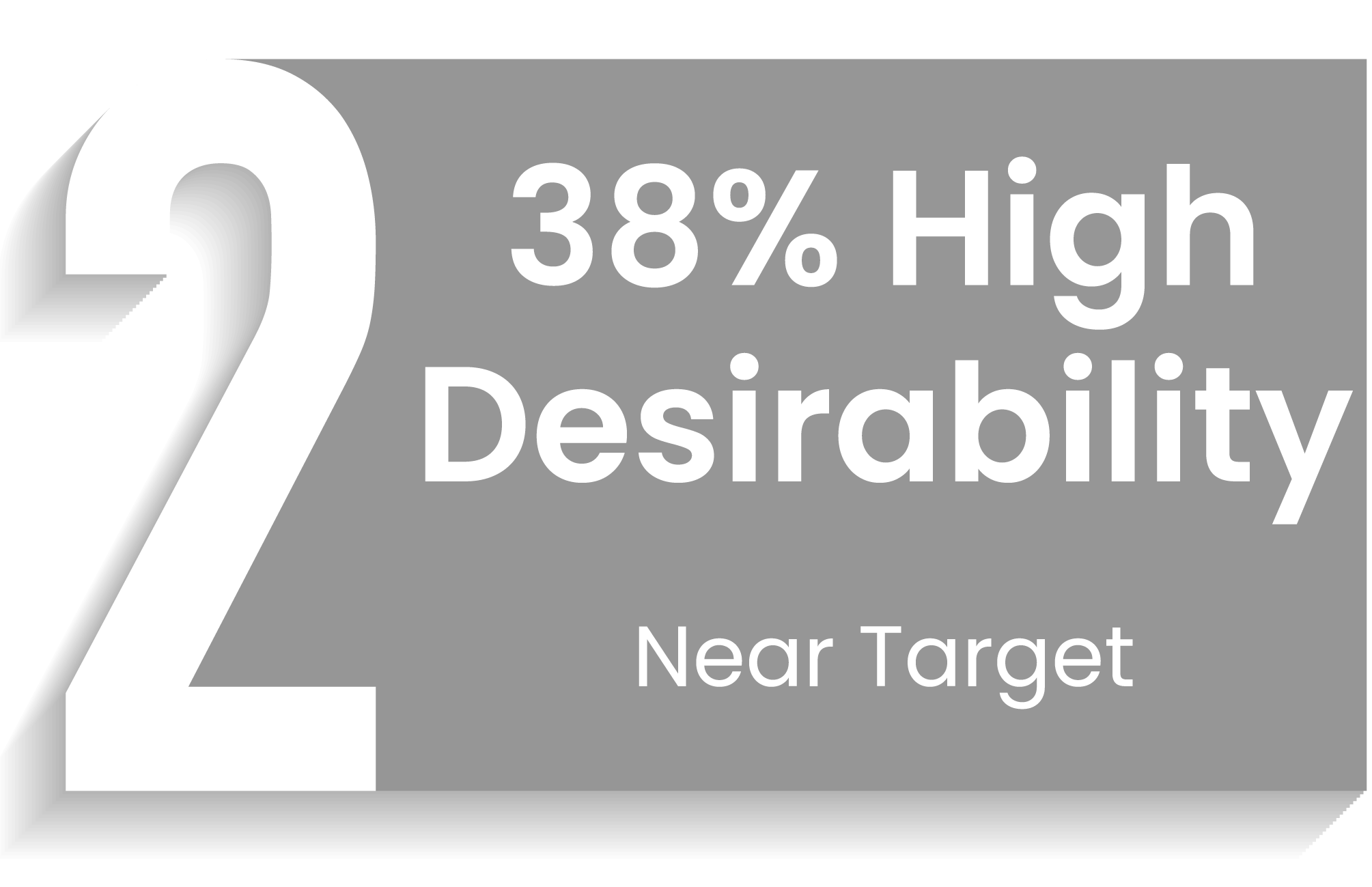
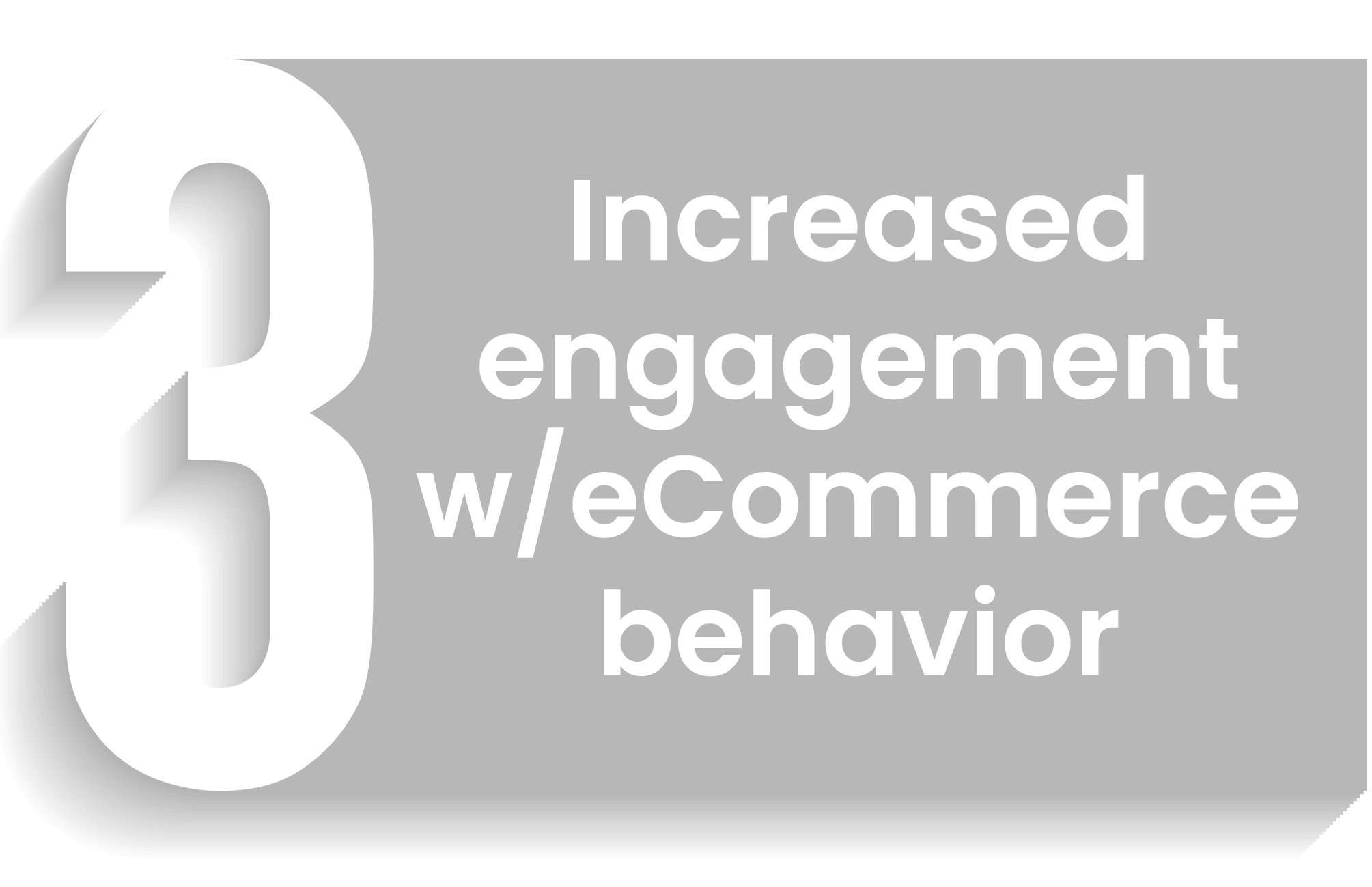
Key Takeaways
Users are open to automation—with the right level of control
Trust is the biggest barrier to adoption
Transparency is critical in predictive systems
Rapid experimentation reduces product risk
Why This Mattered
Validated a new product opportunity
Informed long-term strategy
Reduced uncertainty before large investment
Final Reflection
This project demonstrated how product design can extend beyond execution into strategic decision-making. By rapidly testing a 0→1 concept with real users, we were able to validate a new opportunity space and guide the business with confidence.